
 0
0



BLOG
Health Insights & Articles
- Home
- Blog
- Dizziness Research
- Dizziness vs. Vertigo: What's the Difference and When Should You See a Doctor?
Dizziness vs. Vertigo: What's the Difference and When Should You See a Doctor?

One of the most common descriptions patients give at a dizziness clinic is simply, "I feel dizzy." However, not all forms of dizziness are the same. Some people experience only a heavy-headed feeling or difficulty concentrating, while others develop nausea, vomiting, or even become unable to stand or walk. So how can these subtle differences be distinguished? In this article, Dr. Chien-Chih Chen, a dual specialist in otolaryngology and neurology, and Dr. Ping-Tao Tseng, a psychiatrist with extensive experience treating dizziness and vertigo, explain the differences and discuss when medical attention is necessary.

▲ One of the primary goals of a dizziness clinic is to identify the true cause of vertigo based on each patient's subjective description of feeling "dizzy." (Image source: Freepik)
Although dizziness and vertigo are often confused, the main distinction is actually quite simple: whether a spinning sensation is present.
People experiencing dizziness often describe symptoms such as head pressure, feeling lightheaded, or feeling as though they are floating. Some may also notice blurred vision or difficulty focusing, commonly described as feeling "faint" or "woozy." These symptoms have many common causes, including insufficient sleep, low blood pressure, low blood sugar, and anemia.
Vertigo, on the other hand, is characterized by the sensation that either the surroundings or the body is spinning. Patients often describe the experience as "the whole world is spinning." Vertigo may also be accompanied by nausea, vomiting, cold sweats, and difficulty maintaining balance. While severe dizziness may also make it difficult to stand or walk, the defining feature of vertigo is the presence of a spinning sensation. Therefore, if you open your eyes and immediately feel that the room is spinning, you should seek medical evaluation as soon as possible.
Although these conditions differ somewhat in subjective experience, they are frequently used interchangeably in everyday conversation. As mentioned earlier, many patients simply describe all of these sensations as "dizziness" during medical consultations. Consequently, both dizziness and vertigo are subjective symptoms that can be difficult to distinguish based solely on patient descriptions. Accurate diagnosis therefore depends on thorough clinical evaluation, appropriate diagnostic testing, and the physician's experience. Below are seven common causes of vertigo frequently encountered in dizziness clinics.
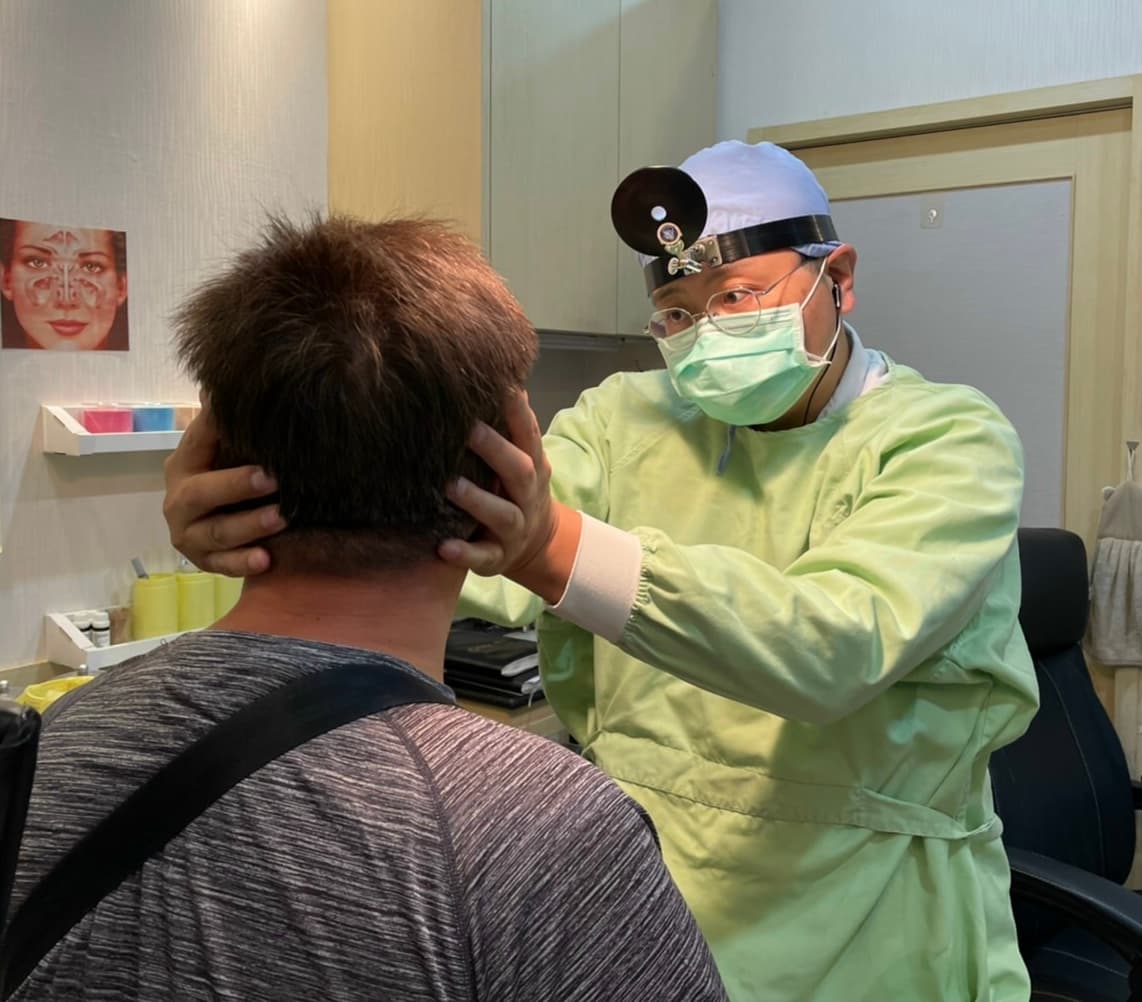
▲ Dr. Chien-Chih Chen and the Yuan Jing medical team perform comprehensive evaluations in the dizziness clinic to identify the underlying cause of vertigo.
Once abnormal electrical activity develops, these signals may travel through the vestibular nuclei or cochlear nuclei, producing vertigo. As the abnormal activity spreads upward through the brainstem, patients may experience difficulty focusing their eyes. Involvement of the limbic system may cause emotional instability or irritability, while extension into the cerebral cortex may impair memory, thinking, and decision-making. Finally, neurogenic inflammation causes dilation of cerebral blood vessels, resulting in the characteristic throbbing headache synchronized with the heartbeat.
The underlying mechanism involves swelling of the cochlea, vestibule, and semicircular canals. Severe swelling may affect the otolithic organs within the utricle, allowing otoconia to become dislodged. These displaced crystals then travel with the endolymph and settle within one of the semicircular canals, causing brief episodes of spinning vertigo whenever the head changes position. Migraine susceptibility, excessive fatigue, high salt intake, alcohol consumption, and upper respiratory infections are all recognized triggers.
When pressure eventually becomes high enough to force the crystals into the endolymphatic duct, cochlear pressure is suddenly released into the vestibule and semicircular canals, producing vertigo while the tinnitus immediately resolves. This sequence—tinnitus followed by vertigo—helps distinguish Lermoyez syndrome from Ménière's disease, in which tinnitus and vertigo typically occur simultaneously.
Oscillopsia commonly develops during migraine attacks or after insufficient sleep, both of which impair the vestibulo-ocular reflex within the brainstem. As a result, the eyes become less effective at tracking moving objects. Images projected onto the retina therefore shift abnormally, producing a false sense of movement and triggering vertigo.
In summary, regardless of the underlying cause, vertigo can significantly interfere with daily life and, in certain situations, may even place patients at risk of serious injury. Anyone experiencing vertigo should seek prompt evaluation through appropriate medical care. A comprehensive examination performed by an experienced physician can determine whether the symptoms represent dizziness or true vertigo, identify the underlying cause, and provide targeted treatment rather than simply increasing the dose of anti-vertigo medication without addressing the root problem.
Is It Dizziness or Vertigo? The Key Difference
▲ One of the primary goals of a dizziness clinic is to identify the true cause of vertigo based on each patient's subjective description of feeling "dizzy." (Image source: Freepik)
Although dizziness and vertigo are often confused, the main distinction is actually quite simple: whether a spinning sensation is present.
People experiencing dizziness often describe symptoms such as head pressure, feeling lightheaded, or feeling as though they are floating. Some may also notice blurred vision or difficulty focusing, commonly described as feeling "faint" or "woozy." These symptoms have many common causes, including insufficient sleep, low blood pressure, low blood sugar, and anemia.
Vertigo, on the other hand, is characterized by the sensation that either the surroundings or the body is spinning. Patients often describe the experience as "the whole world is spinning." Vertigo may also be accompanied by nausea, vomiting, cold sweats, and difficulty maintaining balance. While severe dizziness may also make it difficult to stand or walk, the defining feature of vertigo is the presence of a spinning sensation. Therefore, if you open your eyes and immediately feel that the room is spinning, you should seek medical evaluation as soon as possible.
What About "Dizziness" and "Vertigo"?
Careful readers may have noticed that although this article refers to a dizziness clinic, the discussion so far has focused primarily on vertigo. Although the two terms are closely related, they are not identical.- Vertigo: A spinning sensation in which the surroundings appear to rotate or move, commonly described as "the room is spinning."
- Dizziness with vestibular symptoms: In addition to the spinning sensation, patients may also experience abnormalities of the balance system, including head heaviness, a floating sensation in the legs, or the feeling that the surrounding environment is swaying.
Although these conditions differ somewhat in subjective experience, they are frequently used interchangeably in everyday conversation. As mentioned earlier, many patients simply describe all of these sensations as "dizziness" during medical consultations. Consequently, both dizziness and vertigo are subjective symptoms that can be difficult to distinguish based solely on patient descriptions. Accurate diagnosis therefore depends on thorough clinical evaluation, appropriate diagnostic testing, and the physician's experience. Below are seven common causes of vertigo frequently encountered in dizziness clinics.
Seven Common Causes of Vertigo—Some May Even Be Associated with Tinnitus
Vertigo can develop through many different mechanisms, and in some cases results from a cascade of interconnected events. Before appropriate treatment can begin, identifying the underlying cause is essential. Below are seven of the most common causes seen in a dizziness clinic.▲ Dr. Chien-Chih Chen and the Yuan Jing medical team perform comprehensive evaluations in the dizziness clinic to identify the underlying cause of vertigo.
Cause 1: Vestibular Migraine
Also known as migraine-associated vertigo, vestibular migraine is one of the leading causes of recurrent vertigo and commonly occurs every few weeks or months. Patients often have a personal or family history of migraine. Triggers such as changes in sleep patterns, significant life stress, psychological pressure, excessive alcohol consumption, food allergies (particularly dairy products), infections, or menstruation may destabilize ion channels within brainstem neurons.Once abnormal electrical activity develops, these signals may travel through the vestibular nuclei or cochlear nuclei, producing vertigo. As the abnormal activity spreads upward through the brainstem, patients may experience difficulty focusing their eyes. Involvement of the limbic system may cause emotional instability or irritability, while extension into the cerebral cortex may impair memory, thinking, and decision-making. Finally, neurogenic inflammation causes dilation of cerebral blood vessels, resulting in the characteristic throbbing headache synchronized with the heartbeat.
Cause 2: Ménière's Disease
Ménière's disease is a common inner ear disorder frequently encountered in both dizziness and tinnitus clinics. In addition to recurrent spinning sensations, patients often experience persistent ringing or buzzing in the ears and may develop nausea and vomiting. Episodes are commonly triggered by turning the head or changing body position.The underlying mechanism involves swelling of the cochlea, vestibule, and semicircular canals. Severe swelling may affect the otolithic organs within the utricle, allowing otoconia to become dislodged. These displaced crystals then travel with the endolymph and settle within one of the semicircular canals, causing brief episodes of spinning vertigo whenever the head changes position. Migraine susceptibility, excessive fatigue, high salt intake, alcohol consumption, and upper respiratory infections are all recognized triggers.
Cause 3: Lermoyez Syndrome
Lermoyez syndrome resembles Ménière's disease but follows a different mechanism. It often develops after head trauma causes otoconia to become displaced. The dislodged crystals obstruct the narrow channel connecting the utricle and saccule, preventing normal endolymph circulation and causing pressure within the cochlea to rise. Increased pressure compresses the cochlear hair cells, producing inflammatory tinnitus.When pressure eventually becomes high enough to force the crystals into the endolymphatic duct, cochlear pressure is suddenly released into the vestibule and semicircular canals, producing vertigo while the tinnitus immediately resolves. This sequence—tinnitus followed by vertigo—helps distinguish Lermoyez syndrome from Ménière's disease, in which tinnitus and vertigo typically occur simultaneously.
Cause 4: Semicircular Canal Injury
Each inner ear contains three semicircular canals—superior, posterior, and horizontal—that are arranged perpendicular to one another and help maintain balance. These canals are enclosed within a rigid bony structure. When trauma causes a small fracture in the bony canal, pressure changes within the endolymph cause the damaged area to bulge outward and then collapse inward repeatedly. This abnormal fluid movement falsely signals ongoing head rotation, leading to nystagmus and vertigo.Cause 5: Acute Otitis Media
Acute middle ear infection often develops as a complication of the common cold. When viruses enter the middle ear through the Eustachian tube, inflammation causes swelling of the mucosa and blockage of the tube. This results in conductive hearing loss and a sensation of ear fullness, often accompanied by compensatory tinnitus. As air within the middle ear is gradually absorbed, negative pressure develops, pulling on the eardrum as well as the oval and round windows. These mechanical forces compress the vestibular organs of the inner ear, potentially triggering vertigo.Cause 6: Neck Muscle Pain
Do you frequently look down at your phone or lie on your side while watching television? Maintaining poor posture for prolonged periods, especially with the head turned toward one side, may overwork the opposite sternocleidomastoid muscle. Over time, lactic acid accumulates, leading to pain and muscle stiffness. In severe cases, simply turning the head may trigger muscle spasms. Because each side of the neck sends different proprioceptive signals to the brain, this imbalance may create the sensation of vertigo.Cause 7: Oscillopsia
Oscillopsia is somewhat different from other causes because patients may not actually feel dizzy or lightheaded, yet they still perceive their surroundings as moving or vibrating. This occurs because visual images move excessively across the retina, creating a visual illusion.Oscillopsia commonly develops during migraine attacks or after insufficient sleep, both of which impair the vestibulo-ocular reflex within the brainstem. As a result, the eyes become less effective at tracking moving objects. Images projected onto the retina therefore shift abnormally, producing a false sense of movement and triggering vertigo.
In summary, regardless of the underlying cause, vertigo can significantly interfere with daily life and, in certain situations, may even place patients at risk of serious injury. Anyone experiencing vertigo should seek prompt evaluation through appropriate medical care. A comprehensive examination performed by an experienced physician can determine whether the symptoms represent dizziness or true vertigo, identify the underlying cause, and provide targeted treatment rather than simply increasing the dose of anti-vertigo medication without addressing the root problem.


Prospect Clinic for Prospective Medicine
The original intention of Prospect Clinic for Prospective Medicine was to establish an integrated diagnosis and treatment space that combines otolaryngology and neurology specialties, so that complex tinnitus, dizziness, headaches and auditory nerve-related problems can be more completely evaluated and cared for.