
 0
0



BLOG
Health Insights & Articles
- Home
- Blog
- Tinnitus research
- What Causes Tinnitus? Six Common Treatment Options Explained
What Causes Tinnitus? Six Common Treatment Options Explained
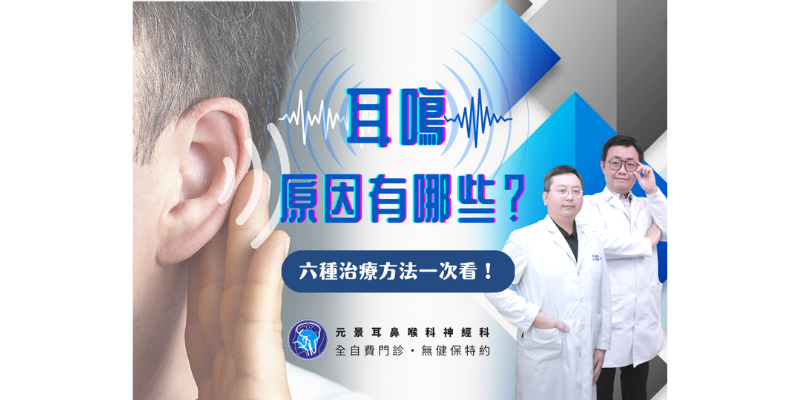
Many people assume that tinnitus is simply an occasional annoyance or the result of temporary fatigue, choosing to "live with it" instead of seeking treatment. Unfortunately, this approach often allows tinnitus to worsen over time, leading to a significant decline in quality of life. So, how is tinnitus treated? In this article, Dr. Chien-Chih Chen, a dual specialist in otolaryngology and neurology at Yuan Jing Clinic, and Dr. Ping-Tao Tseng, a psychiatrist, explain the common causes of tinnitus and discuss how individualized treatment strategies are developed.
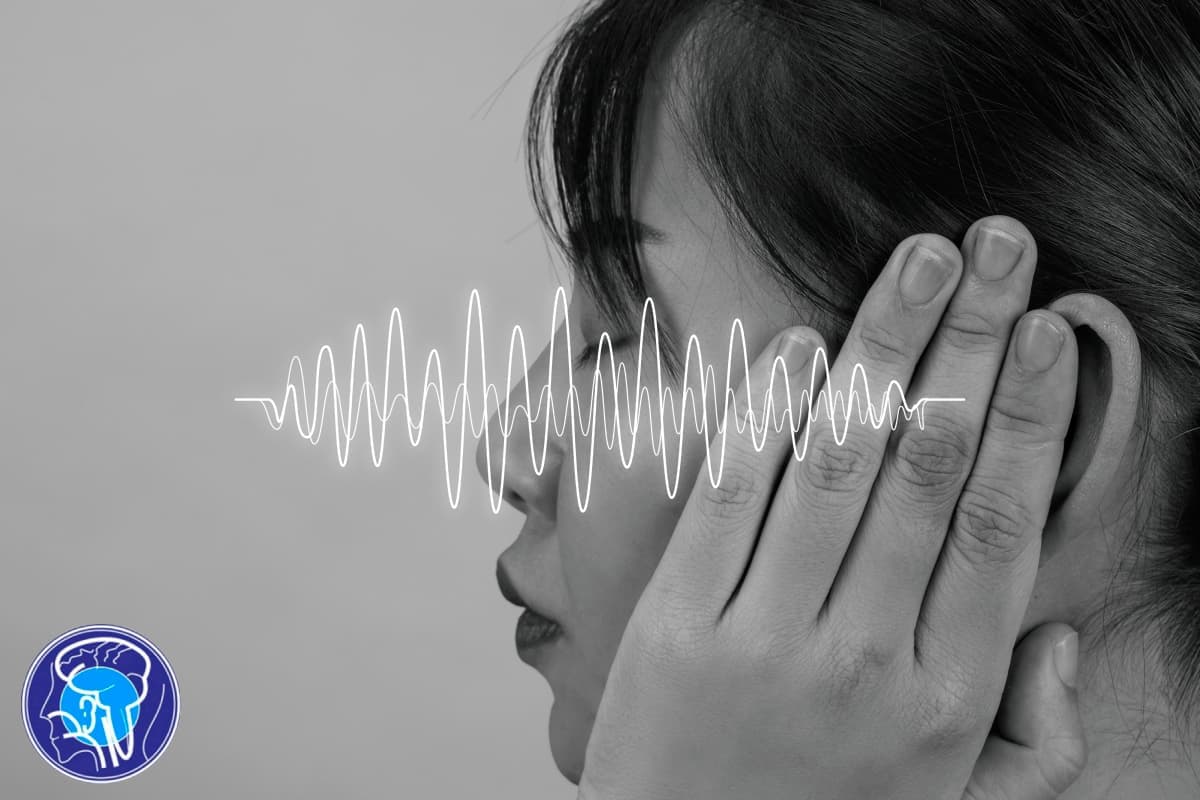
▲ The brain's compensatory response to hearing loss is one of the most common causes of tinnitus. (Image source: Freepik)
When hearing function declines, the brain receives less sound from the surrounding environment than expected. To compensate, the brainstem reduces inhibitory signals and increases the activity of cochlear hair cells, auditory nerve neurons, and cochlear nuclei in an effort to strengthen weakened auditory input. Imagine listening to a radio with the volume turned too low—you naturally increase the volume, but at the same time, all the background static becomes louder as well. The result is an unpleasant mixture of sounds that resembles tinnitus.
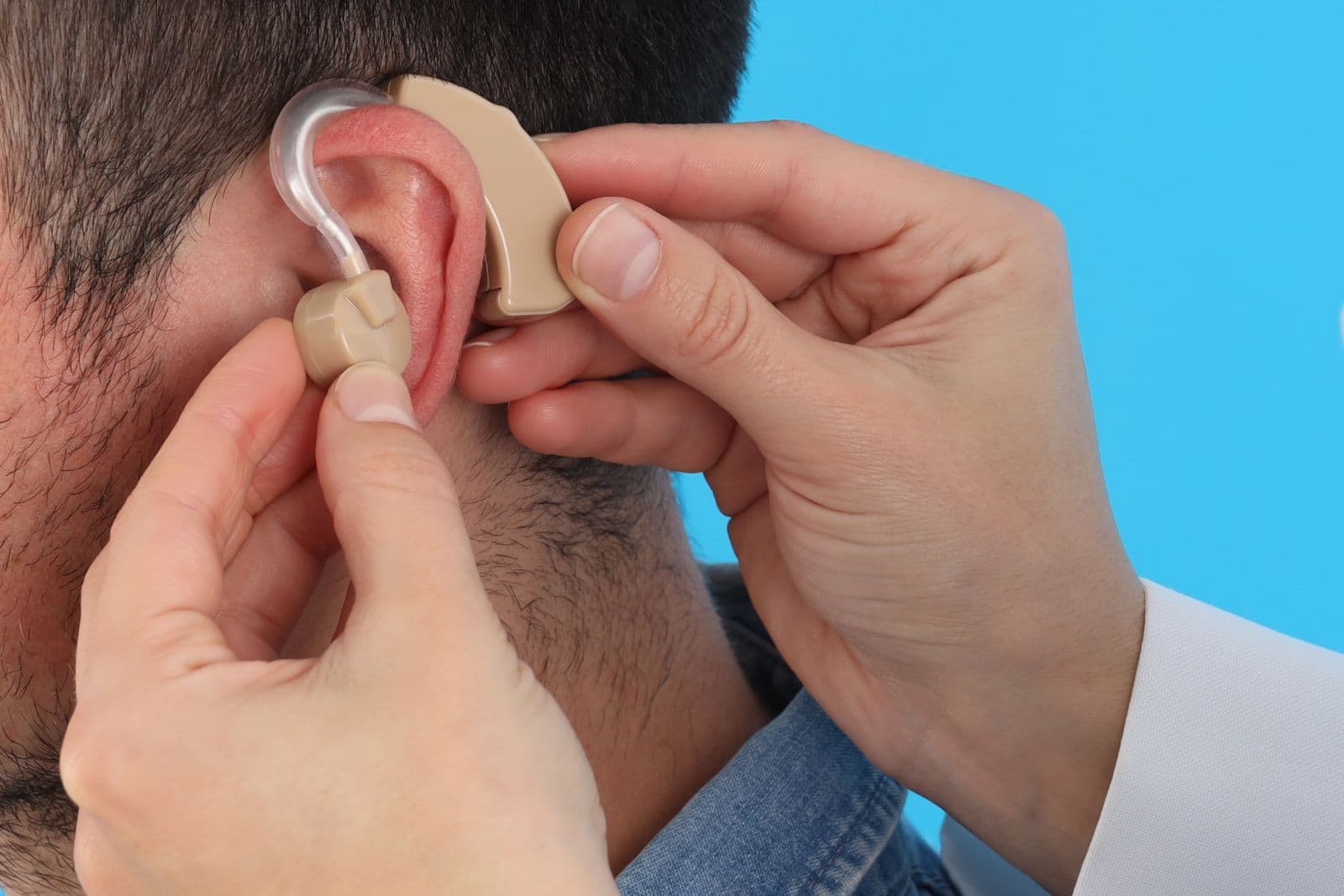
▲ Hearing aids are commonly used to manage tinnitus, but they are not appropriate for every patient. (Image source: Freepik)
However, hearing aids are only beneficial when tinnitus is related to insufficient auditory input. If tinnitus is caused primarily by inflammation or psychological factors, wearing hearing aids inappropriately may actually worsen auditory discomfort. Therefore, hearing aids should always be used under a physician's guidance.
Dr. Chen and Dr. Tseng emphasize that tinnitus is not untreatable—the key lies in obtaining an accurate diagnosis and comprehensive evaluation. Yuan Jing Clinic provides a complete range of tinnitus assessments, including tinnitus matching tests, to help identify the underlying source of each patient's symptoms. By integrating expertise from neurology, otolaryngology, and psychiatry, together with comprehensive psychosocial evaluation, the clinic develops individualized treatment plans that address both auditory disorders and autonomic nervous system dysfunction. Finally, the doctors remind patients not to assume they must simply "live with" tinnitus. Ignoring persistent symptoms may allow underlying conditions to progress. Seeking professional evaluation and treatment early offers the best opportunity to restore quality of life.
Why Does Tinnitus Occur? Understanding the Three Main Types of Tinnitus
There is always a reason behind tinnitus. Under normal circumstances, the human body does not generate sounds without cause. Tinnitus is often one of the body's most important warning signs that something is wrong. However, the causes of tinnitus are often complex. Each underlying condition may contribute its own abnormal auditory signal, combining into what can feel like a symphony gone out of tune. Therefore, identifying the underlying cause is the first step toward successful treatment. In general, tinnitus can be categorized into three major types:Compensatory Tinnitus
Compensatory tinnitus is also commonly referred to as hearing-loss-related tinnitus. "Compensation" refers to the body's ability to recruit other mechanisms when one part of the auditory system is no longer functioning properly. This type of tinnitus is commonly associated with hearing impairment or reduced auditory input caused by conditions such as ear canal obstruction, middle ear effusion, cochlear dysfunction, or auditory nerve damage.▲ The brain's compensatory response to hearing loss is one of the most common causes of tinnitus. (Image source: Freepik)
When hearing function declines, the brain receives less sound from the surrounding environment than expected. To compensate, the brainstem reduces inhibitory signals and increases the activity of cochlear hair cells, auditory nerve neurons, and cochlear nuclei in an effort to strengthen weakened auditory input. Imagine listening to a radio with the volume turned too low—you naturally increase the volume, but at the same time, all the background static becomes louder as well. The result is an unpleasant mixture of sounds that resembles tinnitus.
Inflammatory Tinnitus
Another common type is inflammatory tinnitus. Inflammation elsewhere in the body usually causes pain, but the cochlea and auditory nerve do not contain pain receptors. Instead, when these structures are irritated by inflammatory processes—such as viral infections or allergic reactions—they generate warning signals that the brain interprets as sound. Conditions including allergic cochleitis, infectious otitis media, and viral auditory neuritis may all contribute to inflammatory tinnitus.Conversion Tinnitus
The third major category is conversion tinnitus, which is primarily associated with psychological factors. Emotional stress, frustration, loneliness, helplessness, and other psychological burdens may trigger physiological changes that strengthen abnormal auditory neural circuits within the hippocampus. Once these signals exceed the regulatory capacity of the nucleus accumbens, broader areas of the cerebral cortex become activated, amplifying the perception of sound into what patients often describe as brain tinnitus. Many patients describe the sensation as having a large truck constantly driving inside their heads. This type of tinnitus is frequently accompanied by anxiety, panic attacks, insomnia, and autonomic nervous system dysfunction.Six Common Treatment Options for Tinnitus Recommended by Specialists
Once the underlying cause of tinnitus has been identified, effective treatment becomes much more achievable. However, according to the clinical experience of Dr. Chen and Dr. Tseng, very few patients have only one type of tinnitus. Most patients actually have a combination of all three types, although the relative contribution and sequence of onset differ from person to person. Consequently, treatment plans must be individualized. Below are six commonly used treatment approaches.Treatment Option 1: Hearing Aids
Hearing aids are most commonly prescribed for patients with compensatory tinnitus. By improving auditory input and compensating for hearing loss, hearing aids provide the brain with sufficient sound stimulation, reducing the need for the brainstem to activate compensatory mechanisms. They may also help prevent stiffness or adhesion of the eardrum and ossicular joints while slowing inflammatory soft tissue changes.▲ Hearing aids are commonly used to manage tinnitus, but they are not appropriate for every patient. (Image source: Freepik)
However, hearing aids are only beneficial when tinnitus is related to insufficient auditory input. If tinnitus is caused primarily by inflammation or psychological factors, wearing hearing aids inappropriately may actually worsen auditory discomfort. Therefore, hearing aids should always be used under a physician's guidance.
Treatment Option 2: Anti-inflammatory Medication
For inflammatory tinnitus caused by bacterial or viral infections or allergic reactions, medications may be prescribed to reduce inflammation. These may include antibiotics, corticosteroids, anti-inflammatory pain relievers, or antihistamines. Because many patients have multiple causes of tinnitus, improvement in inflammation alone does not necessarily eliminate all tinnitus symptoms, and continued observation is often necessary.Treatment Option 3: Psychological Therapy
When tinnitus is primarily associated with psychological factors, treatment usually combines medication with psychotherapy. Medications that regulate serotonin, dopamine, or gamma-aminobutyric acid (GABA) receptors may help stabilize emotional function. These are often combined with evidence-based psychiatric interventions such as mindfulness therapy, hypnotherapy, relaxation techniques, and biofeedback training.Treatment Option 4: Physical Therapy
Some patients experience tinnitus together with neck and shoulder pain. The muscles surrounding the neck contain numerous proprioceptors. When these muscles become fatigued or tense, they continuously transmit sensory signals through the spinal cord and brainstem to the dorsal cochlear nucleus before reaching the auditory cortex, where they may generate brain tinnitus. In these cases, physician-prescribed physical therapy, muscle relaxants, and posture correction may reduce muscle strain and relieve tinnitus symptoms.Treatment Option 5: Canalith Repositioning Maneuvers
Under normal conditions, otoconia (ear crystals) are securely attached to the utricular macula by a gelatinous membrane. When reduced blood supply, inflammation, or allergies weaken this supporting structure, otoconia may become dislodged and migrate into one of the semicircular canals. Changes in head position then disturb the movement of inner ear fluid, allowing abnormal stimulation to reach the cochlea and trigger tinnitus. In these situations, canalith repositioning maneuvers, together with oral antihistamines to improve the condition of the otolithic membrane, may help resolve symptoms.Treatment Option 6: Combined Magnetic Stimulation Therapy
When tinnitus is associated with excessive activity within the cerebral cortex, producing abnormal auditory signals, combined magnetic stimulation therapy may be considered. Through electromagnetic stimulation, this treatment aims to regulate brain activity, restore balanced auditory processing, and stabilize brainwave activity. As brain function becomes more balanced, the frequency, intensity, and severity of tinnitus may gradually decrease.Dr. Chen and Dr. Tseng emphasize that tinnitus is not untreatable—the key lies in obtaining an accurate diagnosis and comprehensive evaluation. Yuan Jing Clinic provides a complete range of tinnitus assessments, including tinnitus matching tests, to help identify the underlying source of each patient's symptoms. By integrating expertise from neurology, otolaryngology, and psychiatry, together with comprehensive psychosocial evaluation, the clinic develops individualized treatment plans that address both auditory disorders and autonomic nervous system dysfunction. Finally, the doctors remind patients not to assume they must simply "live with" tinnitus. Ignoring persistent symptoms may allow underlying conditions to progress. Seeking professional evaluation and treatment early offers the best opportunity to restore quality of life.


Prospect Clinic for Prospective Medicine
The original intention of Prospect Clinic for Prospective Medicine was to establish an integrated diagnosis and treatment space that combines otolaryngology and neurology specialties, so that complex tinnitus, dizziness, headaches and auditory nerve-related problems can be more completely evaluated and cared for.

Article Classification
Recent Articles
- What Causes Tinnitus? Finding the Root Cause for Effective Treatment
- Tinnitus after being diagnosed with COVID-19?! What are the causes? How can it be improved?
- Persistent Tinnitus: What You Can Do Before Seeing a Doctor
- What should I do if I have tinnitus? Which specialist should I see for tinnitus? A tinnitus expert will tell you.
- What Causes Tinnitus? Six Common Treatment Options Explained