
 0
0



- Home
- Blog
- Tinnitus column
- Why Isn't Ginkgo Helping Your Tinnitus?
Why Isn't Ginkgo Helping Your Tinnitus?
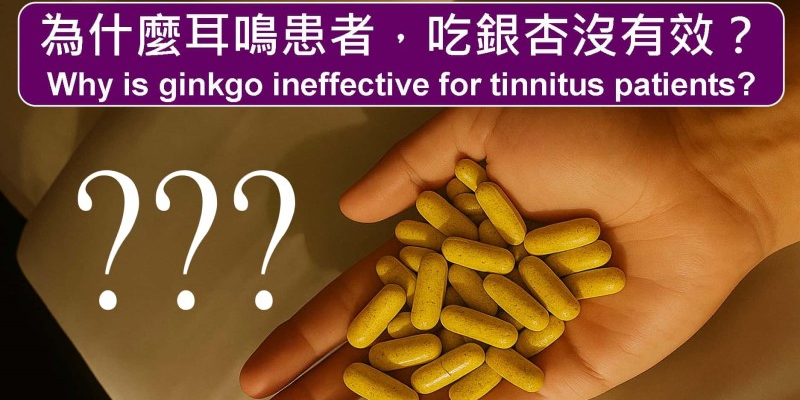
Many people with tinnitus try taking Ginkgo biloba medications or dietary supplements in hopes of relieving their symptoms. However, the results are often less effective than expected.
Why do oral Ginkgo biloba medications or supplements have only limited effects on the inner ear? The answer lies in the body's absorption and circulation process, as well as the unique anatomy and physiology of the inner ear.
The Journey of Ginkgo Biloba Through the Body: Multiple Barriers Along the Way
After Ginkgo biloba is taken orally, it must first pass through the acidic environment of the stomach before being absorbed by the small intestine into the bloodstream. During this process, some of its active ingredients are broken down by intestinal enzymes or gut microbiota, while only the remaining portion enters systemic circulation.
Even after entering the bloodstream, much of the Ginkgo biloba is preferentially delivered to highly perfused tissues such as muscles and skin. Because these tissues have abundant blood flow and active metabolism, they receive nutrients more readily than the inner ear. As a result, only a very small amount of Ginkgo biloba ultimately reaches the inner ear.
Why Is the Inner Ear Difficult to Reach?
The inner ear is a relatively isolated structure with limited blood supply. As an analogy, reaching the inner ear is like transporting supplies to the top of Taiwan's Yushan (Jade Mountain), whereas delivering supplies to the arms and legs is more like reaching remote rural areas or offshore islands, where transportation networks remain relatively accessible.

After being absorbed through the digestive tract, Ginkgo biloba must travel a long and difficult route before reaching the inner ear. Consequently, only a limited amount of the active ingredients can arrive at the target site.
Why Is Injection Therapy More Effective?
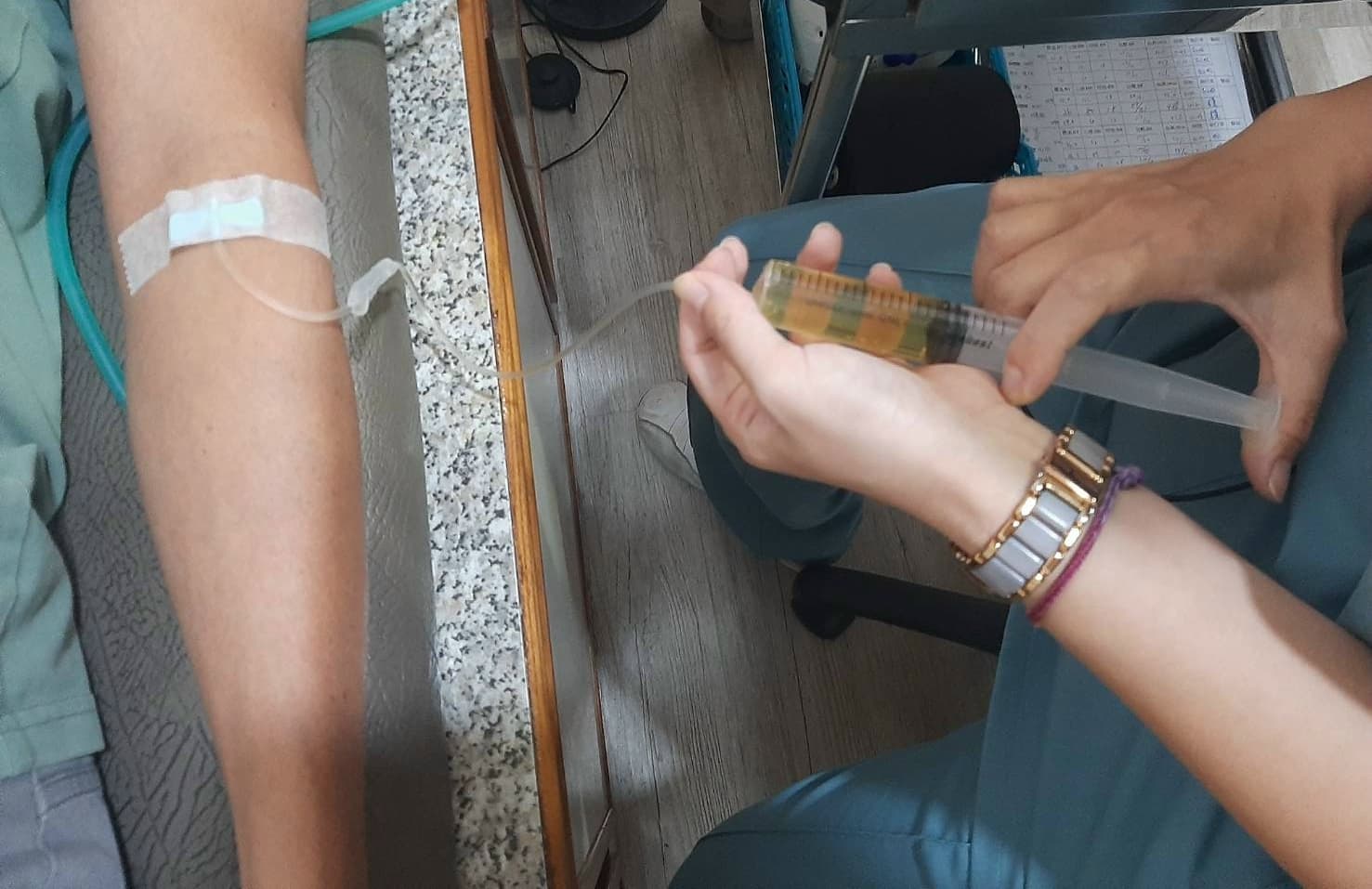
When rapid improvement of inner ear circulation is required, injectable medications are preferred whenever appropriate. Injection bypasses gastrointestinal metabolism, allowing drug concentrations in the bloodstream to rise quickly and increasing the likelihood of reaching the inner ear.
Using the same analogy, injection therapy is like transporting supplies directly to the mountaintop by helicopter—much faster and more efficient than ground transportation.
However, high-dose injectable medications require careful monitoring of kidney function because of the potential risk of nephrotoxicity.
Special Cases: When Ginkgo Biloba May Actually Worsen Tinnitus
In patients with immune-mediated tinnitus, promoting blood circulation with Ginkgo biloba before controlling inflammation may actually allow more immune cells and inflammatory substances to enter the inner ear, potentially worsening cochlear inflammation. For these patients, anti-inflammatory treatment, such as corticosteroids or antihistamines, should be considered first. Once inflammation is under control, physicians can then evaluate whether Ginkgo biloba is appropriate.
The Right Approach to Treating Tinnitus: Treat the Cause, Not Just the Symptom
Tinnitus is not a disease itself but rather a symptom shared by many different conditions. It is similar to a warning light on a car's dashboard, signaling that something may be wrong with the inner ear, nervous system, or another part of the body. Therefore, the primary goal of treatment is to identify and address the underlying cause instead of taking Ginkgo biloba based solely on hearsay.
Conclusion
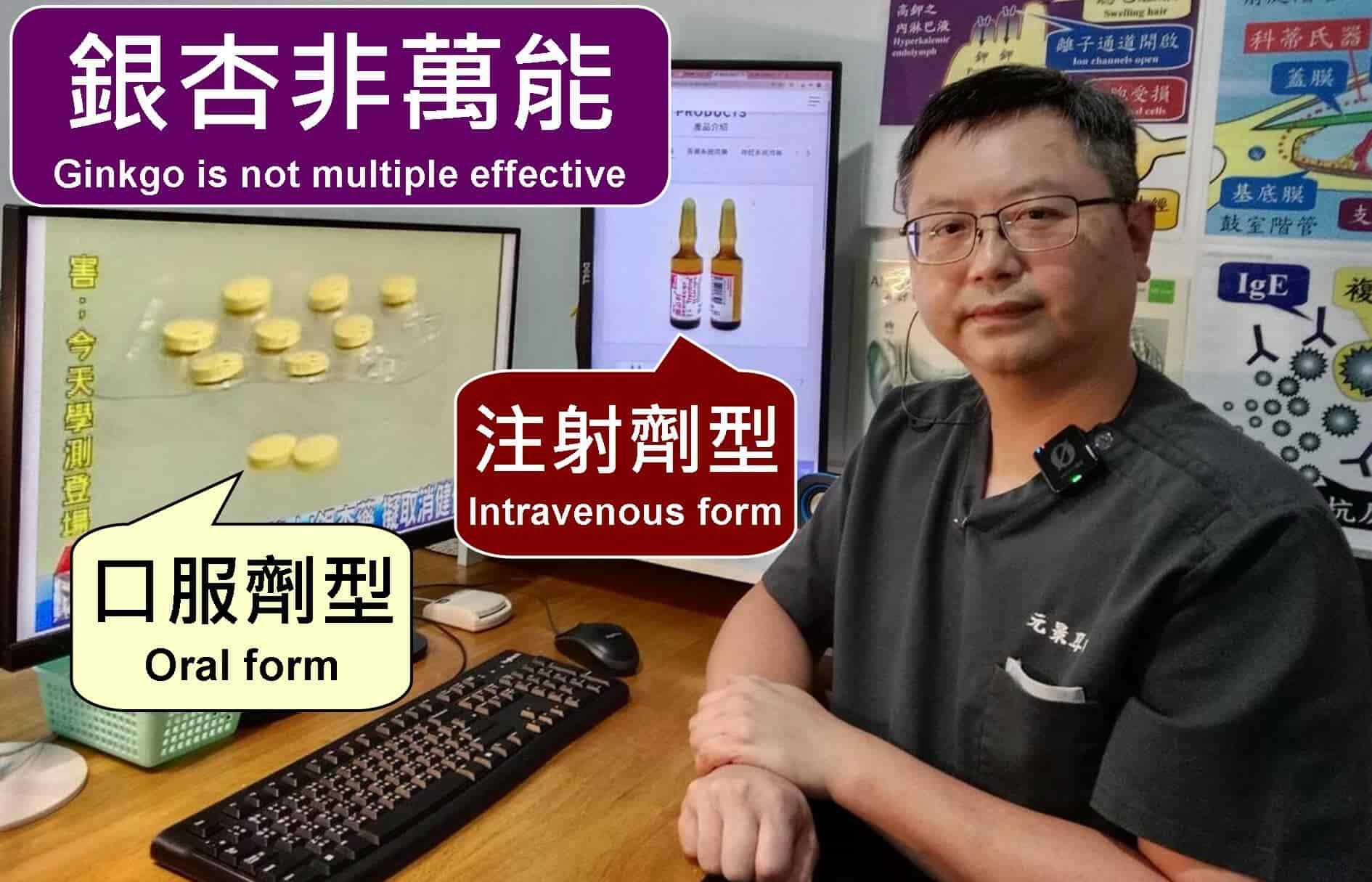
Ginkgo biloba medications are widely used in the treatment of tinnitus and are available in both oral formulations (left image) and injectable formulations (right image).
However, Ginkgo biloba medications and dietary supplements are not a universal solution. Their effectiveness remains limited by the body's absorption process and the unique anatomical characteristics of the inner ear.
If tinnitus persists or worsens, patients should seek prompt evaluation by a qualified physician for a comprehensive assessment and individualized treatment plan. Avoid self-medicating without a proper diagnosis, as doing so may delay appropriate treatment or even worsen the condition.


Prospect Clinic for Prospective Medicine
The original intention of Prospect Clinic for Prospective Medicine was to establish an integrated diagnosis and treatment space that combines otolaryngology and neurology specialties, so that complex tinnitus, dizziness, headaches and auditory nerve-related problems can be more completely evaluated and cared for.

Article Classification
Recent Articles
- Why Isn't Ginkgo Helping Your Tinnitus?
- Analysis of Six Types of Tinnitus: From Normal Response to Disease Warning Signs, Understand Them All at Once
- Why can’t tinnitus be treated with medication alone?
- The more advanced the equipment, the better the medical treatment? Solving common myths about Taiwanese patients
- Tinnitus is not a hallucination! EEG reveals the brain's distress signals.